
Meet Our Team
|
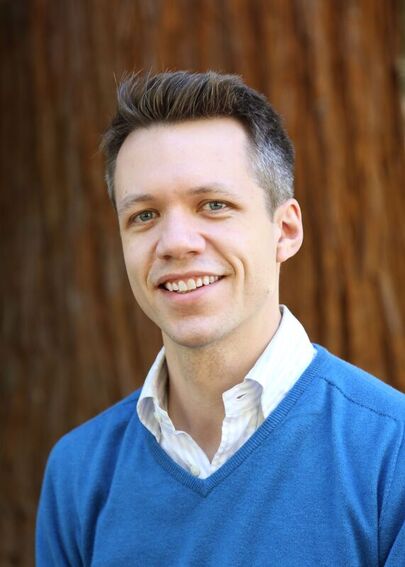
Nathan Reticker-Flynn - Principal InvestigatorNate received his PhD in Biomedical Engineering from the Massachusetts Institute of Technology while working with Dr. Sangeeta Bhatia as part of the Harvard-MIT Division of Health Sciences and Technology. His doctoral studies focused upon developing technologies for interrogating interactions between tumors and extracellular matrix during metastatic progression. Using mouse models of lung adenocarcinoma, his studies identified key alterations in integrin and glycosylation patterns that facilitate metastasis. He pursued his postdoctoral fellowship at Stanford University in the laboratory of Dr. Edgar Engleman, where he focused on using systems approaches and mouse models to investigate tumor-immune interactions during metastasis and responses to immunotherapies. His discoveries include the revelation that effective immunotherapies require systemic activation of anti-tumor immunity and that lymph node metastases serve to reeducate adaptive immune responses in a manner that promotes distant metastasis.
|
|
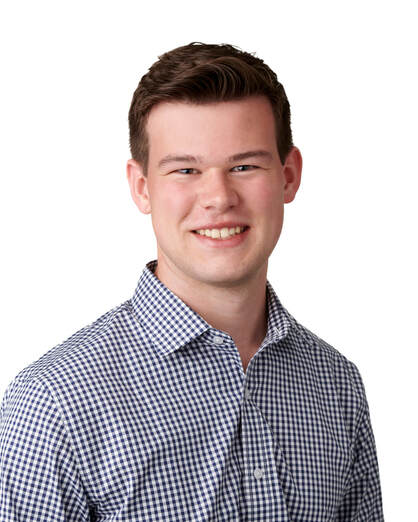
Cort Breuer - PhD Student - Immunology
Cort Breuer is originally from Boston and studied Biological Engineering at Cornell University. His work at Cornell with Esak Lee focused on lymphatic-targeted cancer therapies and mechanosensing in T cell responses. Previously, he worked with James Moon at Massachusetts General Hospital to develop in vivo gene therapies for the immune system and with Michelle Krogsgaard at NYU Perlmutter Cancer Center to investigate structural biology of TCR signaling. Cort’s current work focuses on mechanisms of tumor-immune tolerance and decoding the antigen specificity of T cell receptors. Drawing on his engineering background, he designs new molecular tools to record how immune cells communicate and constructs therapeutics to target impaired immune responses.
|
|
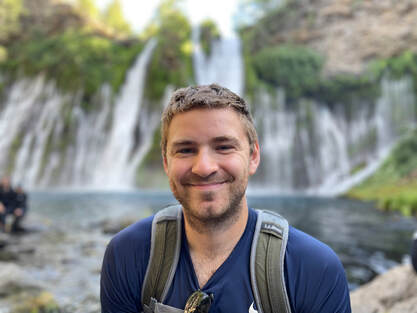
Markús Ísfeld Diehl - PhD Student - Immunology
Markus graduated from the University of Chicago with a degree in Molecular Engineering. His undergraduate research focused on developing imaging methodologies to study interactions between T cells, antigen-presenting cells, and cancer cells. At Stanford, Markus is co-advised by Professors Edgar Engleman and Nathan Reticker-Flynn. Broadly, Markus is interested in the intersection between the innate and adaptive immune systems in the context of cancer. His current project focuses on understanding the systemic response to metastasis initiated by a neutrophil-activating therapy first developed in the Engleman Lab. In his free time, Markus enjoys exploring the Bay Area and California by bike and by foot, and has completed more than 2500 miles of road and trail in California.
|
|
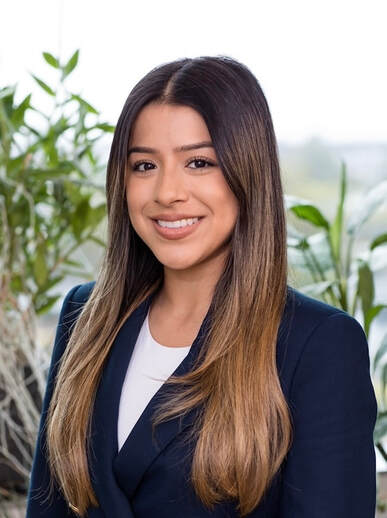
Norma Angelica Gutierrez - PhD Student - Immunology
Norma graduated from University of California, San Diego (UCSD) with a B.S. in Molecular and Cellular Biology. Afterwards, she spent two years at La Jolla Institute for Immunology studying myeloid immune responses to mouse and human tumors. Now, as a PhD student in the lab, her work focuses on developing novel cell therapies to disrupt antigen-specific tolerance in metastasis.
|
|
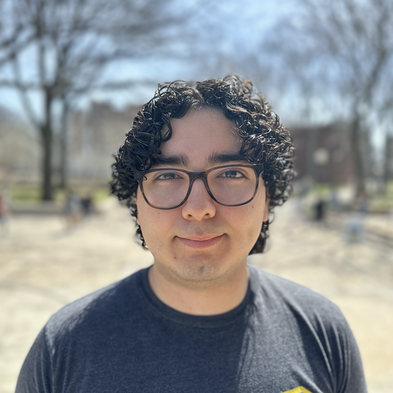
Marcos Labrado - PhD Student - Immunology
|
|
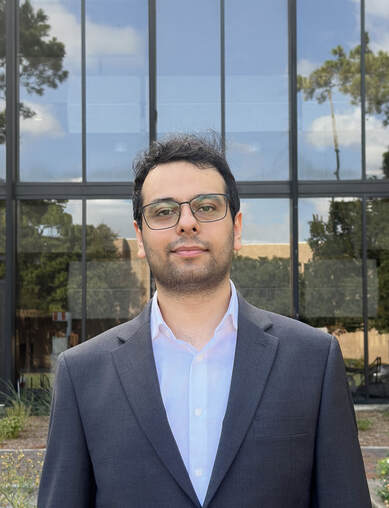
Arash Saeedi - Postdoctoral Scholar
Arash completed his undergraduate studies at Sharif University of Technology, where he laid the foundation for his academic journey. He went on to pursue his Ph.D. at the University of Houston under the supervision of Dr. Navin Varadarajan. During his doctoral research, he focused on pioneering methods to enhance the delivery of non-cytotoxic proteins using engineered immune cells. He has also played a crucial role in developing a mucosal vaccine for SARS-CoV-2, addressing pressing global health challenges. Currently, he is a part of several interdisciplinary teams working on the Targeted Hybrid Oncotherapeutic Regulation (THOR) project. This innovative project aims to revolutionize immunotherapy outcomes for ovarian cancer patients.
|

|
Nicolas Sanidad - Administrative Associate
|
|
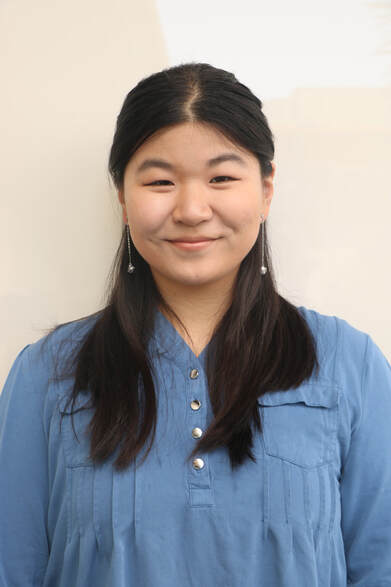
Alice Wang - MS Student - Biological Sciences
Alice graduated with honors from Stanford University with a B.S. in Biology on the Molecular, Cellular, and Developmental Biology track. Her undergraduate research in Dr. Robbie Majzner's lab was studying gangliosides and their role in the antibody-induced cell death mechanism in pediatric neuroblastoma. Now, her project in the Reticker-Flynn lab focuses on the role of IFNα and IFNγ receptors in interferon stimulated genes expression in lymph node metastatic cancer models. In her free time, Alice enjoys reading and writing fiction, social dancing, trying out new restaurants, and hanging out with friends.
|
|
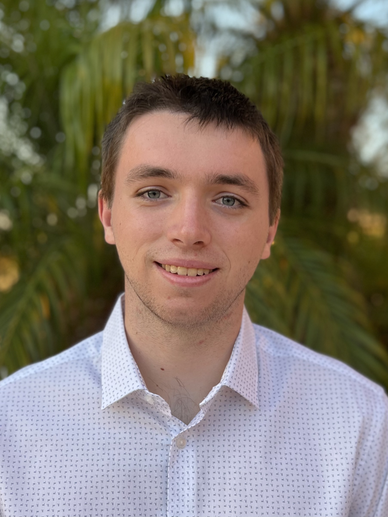
George Wythes - PhD Student - Genetics
George graduated from California Institute of Technology with a degree in bioengineering. His undergraduate work was focused on developing new tools for creating synthetic genomes in bacteria. Now, he is interested in applying engineering principles to understanding and modifying the immune interactions underlying antigen tolerance.
|
|
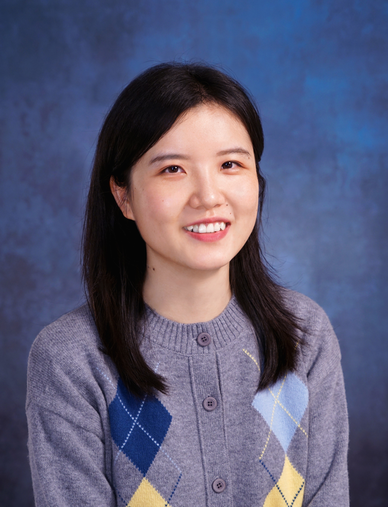
Zhewen Xiong - Postdoctoral Scholar
Zhewen completed her Ph.D. and continued her postdoctoral training at the Chinese University of Hong Kong under the mentorship of Dr. Alfred Sze-Lok Cheng. Her research in Dr. Cheng’s lab focused on adaptive resistance to immune checkpoint blockade (ICB) in hepatocellular carcinoma (HCC). She has established novel ICB-resistant mouse models that recapitulate the immune landscape of human ‘cold’ HCC. Her study uncovered an adaptive transcriptional program to evade therapeutic pressure by immunosuppressive tumor microenvironment remodeling. She also worked on single-cell dissection of tumor ecosystem dynamics upon ICB therapy in human HCC.
|
|
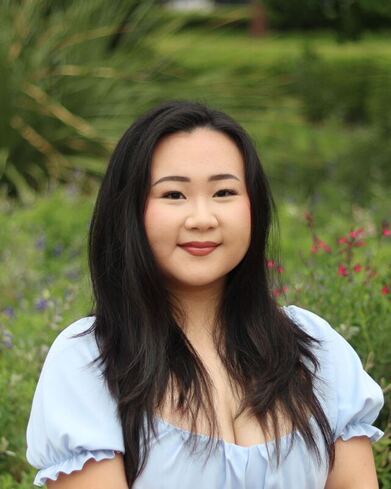
Lan Zheng - Life Science Research Professional 1
Lan graduated from The University of Texas at Austin with a B.S. in Biomedical Engineering and a minor in Business. At UT Austin, Lan worked with Dr. Amy Brock to re-engineer the ClonMapper barcoding system to study how intra-tumoral heterogeneity and plasticity contribute to drug resistance in triple-negative breast cancer. She also worked with Dr. Wei Wei at the Institute for Systems Biology to investigate targeted therapy resistance through adaptive mutability and DNA repair changes in BRAF-mutant melanoma. As a Life Science Research Professional in the Reticker-Flynn Lab, Lan is interested in studying the co-evolutionary dynamics between tumors and the immune response during metastasis. Outside of the lab, Lan enjoys social dancing, reading, playing piano, and finding the best tacos in town.
|